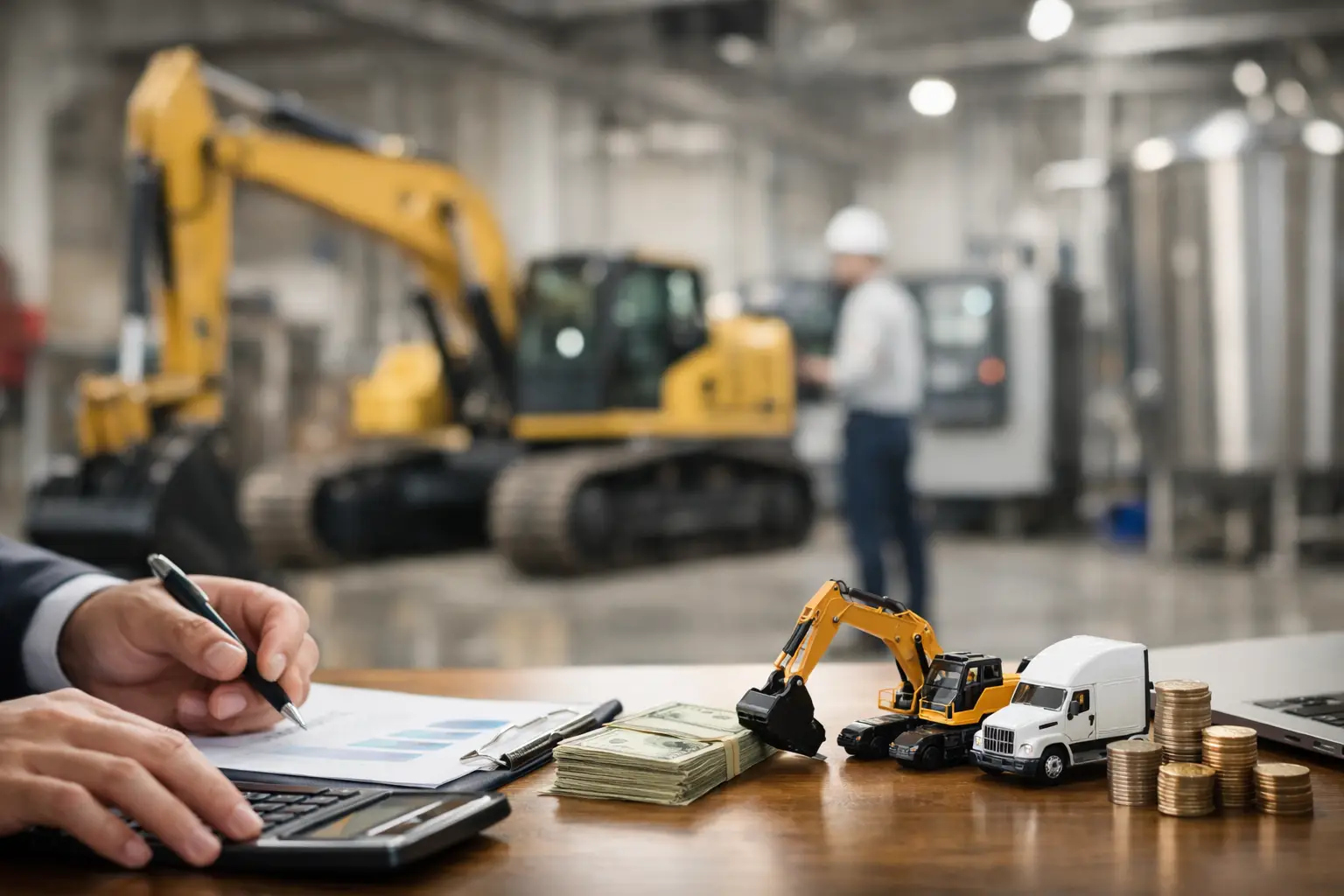
A failing machine, an aging work vehicle, or a capacity bottleneck can put a profitable business in a difficult position: wait until enough cash is available, or act before the opportunity passes. Equipment financing gives established businesses a way to acquire the assets they need while keeping more cash available for payroll, inventory, rent, and day-to-day operations.
For many owners, the question is not whether the equipment will help the business. It is whether the payment structure fits the business's real cash flow. The right financing can support growth without forcing an unnecessary drain on operating capital. The wrong structure can create pressure long after the equipment has stopped feeling new.
What Equipment Financing Can Help You Acquire
Equipment financing is capital used to purchase, lease, or refinance tangible business assets. It is common in construction, transportation, manufacturing, health care, restaurants, agriculture, logistics, and other operational industries where the right equipment directly affects revenue.
That may mean a contractor adding an excavator to take on larger jobs, a trucking company replacing a high-mileage vehicle, or a manufacturer purchasing machinery that increases output. It can also cover technology and specialized assets, such as point-of-sale systems, commercial kitchen equipment, medical devices, warehouse shelving, and certain software-related hardware.
The equipment itself may play a role in the financing arrangement. Because it has value, some lenders view it as collateral. That can make equipment-specific financing different from an unsecured working capital option. However, approval requirements, down payment expectations, repayment schedules, and collateral terms vary widely. The details matter more than the product name.
Why Cash Flow Matters More Than the Purchase Price
A $100,000 piece of equipment is not simply a $100,000 decision. It affects maintenance costs, insurance, staffing, fuel or supplies, training, and the time it takes to put the asset into productive use. Before applying, look beyond the price tag and estimate how the equipment will affect monthly cash flow.
Start with a practical question: what revenue will this asset help produce, protect, or retain? A delivery van may allow more daily routes. A new oven may increase restaurant capacity during peak hours. A replacement machine may prevent downtime that has been costing the business jobs and customers.
Then compare that expected benefit with the total recurring cost. A payment that looks manageable in a strong month may feel very different during a seasonal slowdown. Businesses with variable revenue should consider whether the repayment structure gives them enough room during lower-volume periods.
This is also where financing can be preferable to using all available cash. Paying in full may avoid financing costs, but it can leave the business short on working capital. If a large customer pays late, inventory costs rise, or payroll lands before receivables clear, preserving cash can be worth more than eliminating a monthly payment.
Equipment Financing vs. Working Capital
Equipment financing is usually a focused solution for a defined asset. Working capital is broader. It can help cover expenses such as payroll, inventory, marketing, seasonal purchases, repairs, or other operating needs that may not be tied to one specific item.
The right choice depends on the full need. If the equipment purchase is the only significant expense and the business has adequate cash reserves, equipment financing may be a natural fit. If buying the equipment will also require inventory, hiring, installation, or a marketing push to generate demand, working capital may deserve consideration alongside the equipment transaction.
Some businesses use both at different times. For example, a company may finance a revenue-producing machine while using separate capital to handle the cash flow gap created by a larger order. The goal is not to stack financing without a plan. It is to match the source of capital to the job it needs to do.
What to Review Before Accepting an Offer
Fast access to capital is valuable, especially when a broken asset or a limited purchasing opportunity cannot wait. But speed should not replace careful review. Ask for clarity on the full structure before you commit.
Look at the amount being financed, any upfront contribution required, the payment frequency, the repayment term, and the total amount you are expected to repay. Weekly or daily payments can work for some businesses, but owners should evaluate them against the timing of deposits, payroll, rent, and supplier obligations.
You should also understand what happens at the end of the agreement. Depending on the structure, you may own the equipment after the final payment, have an option to purchase it, return it, or need to refinance a remaining balance. This distinction is particularly important for assets that depreciate quickly or may become outdated.
Pay attention to prepayment terms, late-payment provisions, insurance requirements, personal guarantees, and any liens or security interests. These are not minor details. They shape the real cost and flexibility of the financing.
Finally, consider the useful life of the asset. Financing a durable machine over a reasonable period may make sense. Extending payments far beyond the period in which equipment is productive can create an imbalance. On the other hand, a shorter term may increase payments to a level that unnecessarily squeezes operations. The best term is the one that respects both the asset's value and the business's cash flow.
Prepare for a Faster Equipment Financing Process
Preparation can reduce back-and-forth and help you make a more confident decision. Have a clear equipment quote or invoice that identifies the seller, model, condition, and price. Used equipment can be financeable, but lenders may review age, condition, and resale value more closely than they would for new equipment.
It also helps to have recent business bank statements and basic revenue information available. For revenue-based financing solutions, consistent business performance may be more relevant than the lengthy underwriting associated with traditional bank lending. That does not mean documentation is unimportant. It means the process can focus more directly on how the business is performing now.
Be ready to explain how the equipment supports operations. You do not need a formal business plan for every transaction, but a simple, credible explanation helps: the equipment replaces a unit that is frequently down, fulfills signed contracts, increases production capacity, or reduces an outsourced expense.
Use secure document upload tools whenever available, and review requests before sharing information. A professional financing process should make it easy to submit documents while treating your business information with care.
When Equipment Financing May Not Be the Best Move
Financing is not automatically the right answer just because equipment is needed. If the asset will sit idle, does not solve a real operational constraint, or is being purchased mainly because a deal feels urgent, pause before adding a fixed obligation.
It may also be wise to wait if the business cannot comfortably cover payments without assuming best-case sales. The equipment should support a plan that already has demand behind it, not become a bet that revenue will somehow appear.
Renting, leasing, purchasing used equipment, repairing an existing asset, or delaying a nonessential upgrade can sometimes be the more disciplined choice. A good financing decision is not about obtaining the largest amount available. It is about obtaining the amount that helps the business operate better.
Build the Payment Into the Operating Plan
Before you apply, run the numbers using a conservative revenue month, not your best month of the year. Account for the payment, operating costs, maintenance, insurance, and any staffing needed to use the equipment effectively. If the numbers still leave room for normal business surprises, you are in a stronger position to move forward.
Goldwyn Financial Group helps operating businesses explore accessible, revenue-oriented funding options without the drawn-out friction of conventional financing. When equipment is essential to serving customers, completing work, or taking the next opportunity, a clear financing plan can help you act with confidence while protecting the cash your business needs to keep moving.
Never miss an article
Subscribe to our RSS feed for automatic updates.